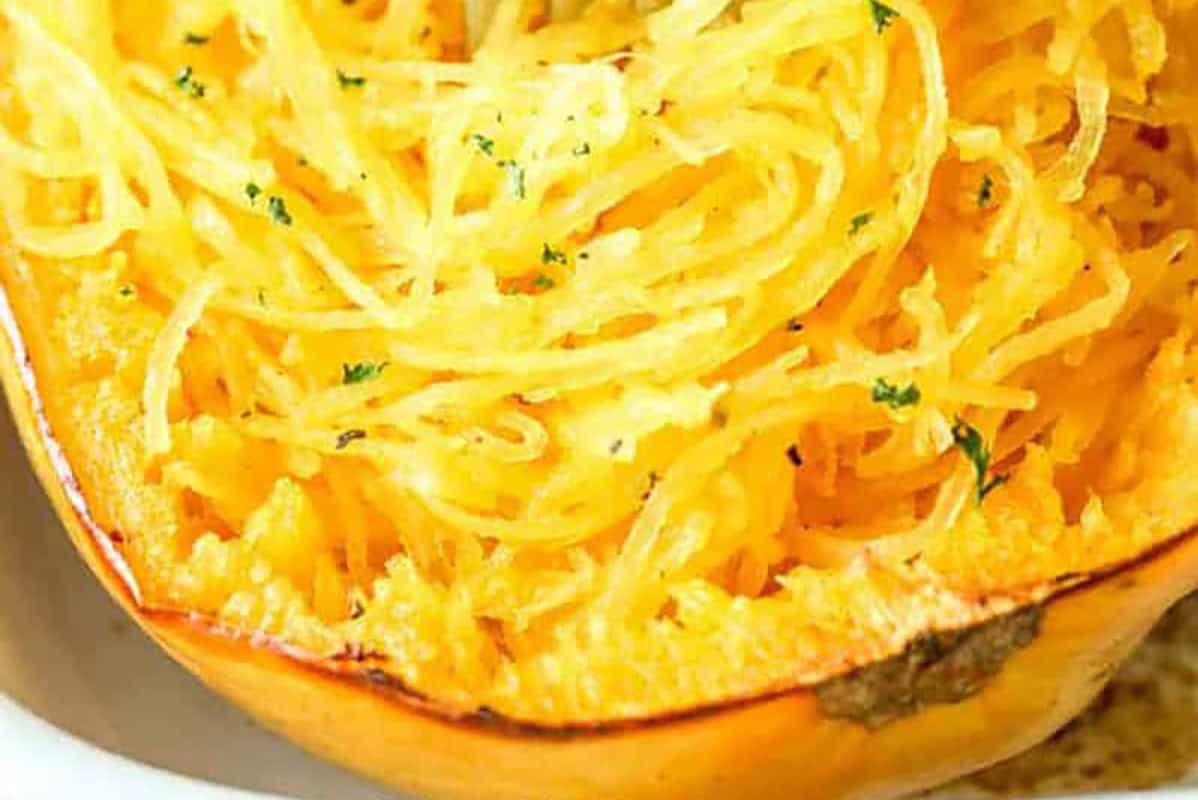
Spaghetti squash has become a culinary darling for good reason. It’s a wonderfully versatile, budget-friendly, and nutrient-packed vegetable that offers a fantastic low-carb alternative to traditional pasta. However, many home cooks shy away from it, fearing a watery, bland outcome. The truth is, achieving those coveted fluffy, tender, and slightly sweet strands of spaghetti squash is remarkably easy once you know the secret: roasting. Forget soggy disappointments; with our guide, you’ll master the art of simple baked spaghetti squash, yielding perfect, never-soggy "noodles" every time.
Why Roasting is the Absolute Best Way to Cook Spaghetti Squash
While some quick methods involve the microwave, the oven is undoubtedly the champion when it comes to cooking spaghetti squash. Roasting transforms this humble gourd into something truly special, bringing out its natural sweetness and creating an appealing texture that other methods simply can't replicate.
- Unparalleled Flavor Development: Just like with roasted butternut squash or other vegetables, roasting spaghetti squash encourages caramelization. This process, often referred to as the Maillard reaction, deepens the squash's mild flavor, adding a subtle sweetness and a nutty complexity that microwaving simply can't achieve. It elevates your simple baked spaghetti squash from just a healthy substitute to a genuinely delicious ingredient.
- Fluffy, Tender, Never Soggy Strands: This is the holy grail for spaghetti squash enthusiasts. Roasting, particularly when done cut-side down, allows excess moisture to evaporate rather than accumulate, preventing those water-logged, insipid strands. The dry heat of the oven cooks the squash evenly, resulting in tender "noodles" that separate beautifully and hold their texture, making them perfect for saucing or as a standalone side.
- Simple and Fuss-Free: Despite its superior results, roasting spaghetti squash is incredibly straightforward. You don't need to peel it, and the minimal preparation involves just a few basic seasonings. It’s an ideal technique for a busy weeknight meal or a casual gathering.
For more detailed insights into why roasting reigns supreme, you might find our article Beyond the Microwave: The Best Way to Roast Spaghetti Squash an enlightening read.
The Simple Steps to Perfectly Baked Spaghetti Squash
Ready to unlock the full potential of this incredible vegetable? Here’s a step-by-step guide to preparing simple baked spaghetti squash that will impress even the skeptics.
1. Prepare for Cutting (and Safety!)
Spaghetti squash can be notoriously tough to cut. To make the task safer and easier, consider a quick pre-soften:
- Microwave Trick: Pierce the whole squash several times with a fork. Pop it in the microwave for 3 to 4 minutes. This softens the skin just enough to make slicing through it a breeze. Be sure not to cook it for longer than 5 minutes, as pressure can build up and cause it to pop!
2. Cut and Seed
- Create a Flat Base: Place the squash horizontally on a sturdy cutting board. Carefully slice off the stem and the base ends, creating two flat surfaces. This stability is crucial for safe cutting.
- Stand and Slice: Stand the squash upright on one of its flat ends. Using a large, sharp chef’s knife, carefully slice the squash in half lengthwise from top to bottom. Don’t worry if your halves aren't perfectly even; it won't affect the final outcome.
- Remove the Seeds: Just like a pumpkin, spaghetti squash contains seeds and stringy pulp in its center. Use a plain kitchen spoon to scoop out and discard these fibrous parts, leaving a clean cavity in each half.
3. Oil and Season
This is where you infuse flavor into your squash:
- Coat with Oil: Drizzle a little olive oil inside the cavities of both squash halves. Use your hands or a pastry brush to spread it evenly over the flesh. The oil aids in browning and helps seasonings adhere.
- Season Generously: Sprinkle the squash flesh with salt and freshly ground black pepper. Don't overdo the salt, as too much can draw out excessive moisture and make the squash watery. For an extra flavor boost, consider a pinch of garlic powder or a sprinkle of dried herbs like thyme or rosemary.
4. Bake to Perfection
- Preheat Oven: Preheat your oven to 400°F (200°C).
- Arrange on Baking Sheet: Place the seasoned spaghetti squash halves cut-side down on a baking sheet. Placing them cut-side down helps steam the interior while allowing the exposed skin to brown and crisp slightly, trapping moisture and promoting an even cook.
- Baking Time: Baking times can vary based on the size of your squash. For a typical 1.5 to 2-pound squash, bake for 35 to 50 minutes. The squash is done when the flesh is easily pierced with a fork and the strands are tender. You can gently flip one half over to check if the strands separate easily with a fork.
5. Scrape and Serve
Once baked, remove the squash from the oven and let it cool for a few minutes until it's comfortable to handle. Then, using a fork, gently scrape the flesh from the sides of the squash towards the center. You'll see beautiful, pasta-like strands emerge effortlessly. These are your fluffy "noodles," ready for their culinary debut!
Elevate Your Simple Baked Spaghetti Squash: Serving Suggestions & Flavor Pairings
The beauty of spaghetti squash lies in its mild flavor and adaptable texture. It's a culinary chameleon, ready to take on almost any flavor profile you throw at it. Your perfectly roasted simple baked spaghetti squash can serve as:
- A Healthy Pasta Understudy: Toss the scraped strands with your favorite pesto, a rich marinara sauce, or a simple garlic butter. It pairs wonderfully with roasted vegetables, crumbled feta, or sun-dried tomatoes for a vibrant and satisfying meal.
- A Versatile Side Dish: Serve it alongside grilled chicken, roasted fish, or a hearty steak. Top with a sprinkle of fresh herbs, a squeeze of lemon juice, or a dusting of Parmesan cheese for an instant upgrade. For a truly decadent experience, follow the lead of some gourmet recipes and add herby breadcrumbs and Parmesan, or even small pools of melting mozzarella among the strands.
- A Base for Creative Dishes: Don't limit yourself to pasta swaps! Spaghetti squash's gentle crunch and mild flavor make it an excellent base for hearty stews, warming curries, or even a healthy grain bowl.
For even more inspiring ideas on how to incorporate this versatile vegetable into your meals, check out our article Easy Baked Spaghetti Squash: Healthy Pasta Swap & Versatile Side.
Tips for Success & Storage
To ensure your spaghetti squash endeavors are always a triumph, keep these additional tips in mind:
- Choose Wisely: Select a squash that feels firm and heavy for its size, with no soft spots or blemishes. A bright yellow color usually indicates ripeness.
- Don't Overcrowd: If baking multiple squash halves, ensure they have enough space on the baking sheet for even cooking and proper air circulation. Overcrowding can lead to steaming instead of roasting, potentially resulting in sogginess.
- Adjust for Tenderness: Baking times are a guide. If you prefer a firmer, more "al dente" texture, reduce the cooking time slightly. For a softer, melt-in-your-mouth feel, extend it a few minutes. Always test with a fork.
- Storing Leftovers: Cooked spaghetti squash keeps beautifully. Store leftovers in an airtight container in the refrigerator for up to 4 days. For longer storage, freeze the scraped strands in an airtight container or freezer bag for up to 6 months. Reheat gently in the oven or microwave, seasoning as desired.
Mastering simple baked spaghetti squash is a game-changer for anyone looking for healthy, delicious, and versatile meal options. By embracing the roasting method, you're guaranteed fluffy, flavorful strands that are miles away from the bland, soggy versions of the past. Experiment with different seasonings and sauces, and discover just how much you can do with this incredible vegetable. Happy roasting!
