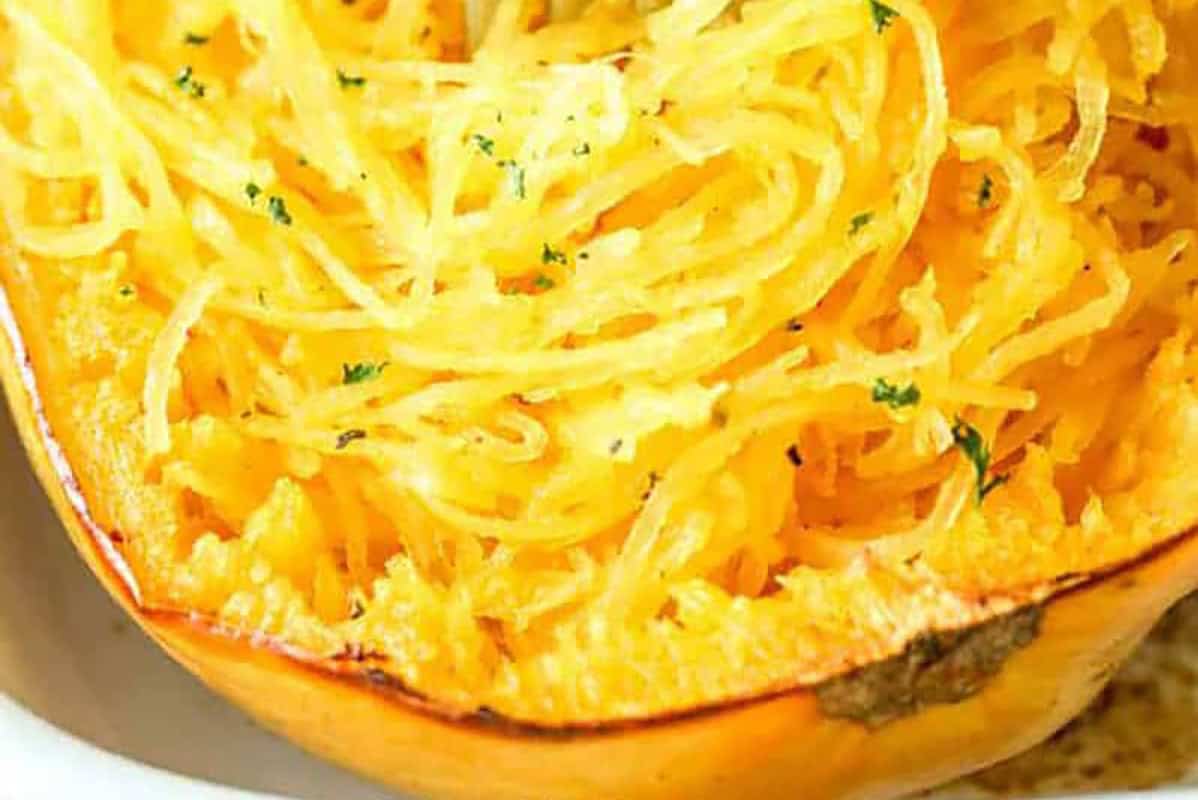
In the quest for wholesome, versatile ingredients that effortlessly elevate any meal, spaghetti squash stands out as a true kitchen hero. Often hailed as nature's answer to pasta, this humble winter squash offers a delightfully mild flavor and a unique, noodle-like texture when cooked. While various methods exist for preparing it, one technique consistently rises above the rest for its ability to deliver superior flavor and texture: roasting. Forget the quick microwave fix that can leave you with watery strands; embracing the oven unlocks the squash's full potential, transforming it into fluffy, never-soggy noodles that are perfect for countless dishes. This guide will walk you through the ultimate, simple baked spaghetti squash method, ensuring perfect results every time.
Beyond the Microwave: Why Roasting is the Best Method for Spaghetti Squash
While the microwave offers speed, it often compromises on quality when it comes to spaghetti squash. Many hurried recipes suggest microwaving the squash whole, or even halved, to expedite the process. However, this method frequently results in waterlogged, bland, and somewhat mushy "noodles" that lack character. Roasting, on the other hand, is the absolute best way to cook spaghetti squash, and here’s why:
- Superior Flavor Profile: Just like roasted butternut squash or carrots, baking spaghetti squash in the oven allows for a beautiful caramelization process. This gentle heating brings out the squash's natural sugars, creating a slightly sweet, nutty, and deeper flavor that simply can't be achieved in a microwave.
- Perfect Texture: Roasting yields tender yet firm strands that are distinct and fluffy, offering that coveted "al dente" bite often sought in pasta. Microwave methods, by contrast, tend to steam the squash, leading to soggy, unappealing textures. If you're aiming for a true pasta understudy, texture is paramount, and the oven delivers.
- Effortless & Fuss-Free: Despite what you might think, oven-baked spaghetti squash is incredibly simple to prepare. It requires minimal active prep time – just a quick cut, scoop, season, and bake. There’s no need for elaborate peeling or complex techniques, making it a perfect choice for weeknight meals.
Once you experience the rich flavor and satisfying texture of roasted spaghetti squash, you'll understand why it's worth the slightly longer cooking time. It's a healthy, easy dish that goes with everything, transforming a humble vegetable into a culinary delight.
Mastering the Prep: A Simple Guide to Cutting Spaghetti Squash
One of the most common hesitations people have with spaghetti squash is the perceived difficulty in cutting it. Its tough exterior can be intimidating, but with a few simple tricks, preparation becomes a breeze. Here’s how to safely and efficiently prepare your squash for roasting:
- Choose Wisely: Select a spaghetti squash that feels heavy for its size, has smooth, blemish-free skin, and is a vibrant yellow color.
- The Microwave Pre-Softening Trick (with caution): For an extra layer of ease and safety, you can briefly soften the squash's skin before cutting. Poke the whole squash several times with a fork (at least 6-8 times) and microwave it for 3 to 4 minutes. Crucially, do not exceed 5 minutes, as pressure can build up and cause the squash to burst. This quick zap will make slicing significantly easier.
- Create a Flat Base: Place the squash horizontally on a sturdy cutting board. Carefully slice off the stem end and the base end, creating two flat surfaces. This stability is key for safe cutting.
- Stand Up and Slice Vertically: With a flat end now resting on the cutting board, stand the squash upright. Using a large, sharp chef's knife, carefully slice the squash in half from top to bottom. Don't worry if your halves aren't perfectly symmetrical; the squash will still roast beautifully.
- Remove the Seeds: Once halved, use a sturdy spoon (a regular kitchen spoon works perfectly) to scrape out the seeds and any stringy pulp from the center of each half. Discard these, or save the seeds to roast separately for a healthy snack!
With your squash prepped, you’re ready for the next crucial step: seasoning and baking. This careful preparation is the foundation for truly delicious simple baked spaghetti squash.
The Perfect Roast: Step-by-Step for Fluffy, Flavorful Strands
Once your spaghetti squash is halved and deseeded, the roasting process is remarkably straightforward. The goal is to encourage those tender, fluffy strands without drying out the squash or making it soggy. Here's how to achieve perfection:
- Oil and Season: Lightly coat the cut surfaces and edges of both squash halves with olive oil. A tablespoon per half is usually sufficient. Then, season generously with salt and freshly ground black pepper. Remember, a little salt helps draw out some moisture and enhances flavor, but avoid overdoing it, which can lead to excessive water release. You can also experiment with other seasonings like garlic powder, paprika, or a sprinkle of dried herbs for added depth.
- Prepare for Baking: Place the seasoned squash halves cut-side down on a baking sheet. Lining the baking sheet with parchment paper or a silicone mat is a good idea for easier cleanup.
- Bake to Perfection: Preheat your oven to 400°F (200°C). Baking times will vary depending on the size of your squash. For a typical 1.5 to 2-pound spaghetti squash, bake for 35-50 minutes. Larger squashes may need up to an hour or even slightly more. The squash is done when the skin is easily pierced with a fork and the flesh feels tender. The edges might even show a slight golden-brown caramelization.
- Rest and Scrape: Once baked, remove the squash from the oven and let it cool for about 5-10 minutes. This makes it easier to handle and allows the internal temperature to equalize. Using a fork, gently scrape the flesh from the inside of each squash half. The strands will naturally separate, resembling spaghetti noodles. Continue scraping until you reach the skin, being careful not to scrape through it. You'll be amazed at the volume of "noodles" you get!
Following these steps ensures you'll consistently produce masterfully baked spaghetti squash with that ideal fluffy, tender texture, ready for its next culinary adventure.
Versatility Unveiled: How to Enjoy Your Simple Baked Spaghetti Squash
The beauty of simple baked spaghetti squash lies in its incredible versatility. Its mild flavor and gentle crunch make it a fantastic foundation for a myriad of dishes, whether you're looking for a low-carb alternative, a healthy side, or a creative main course.
- The Ultimate Pasta Understudy: This is arguably its most popular use. Toss the roasted strands with your favorite pasta sauces – think rich marinara, creamy pesto, a hearty Bolognese, or a light lemon-garlic sauce. It's a fantastic way to enjoy the flavors of pasta without the carbohydrates, making it ideal for keto, paleo, or gluten-free diets.
- Elevated Side Dish: Serve the scooped squash as a standalone side. A simple dressing of butter or olive oil, a sprinkle of fresh herbs (parsley, chives, thyme), and a grating of Parmesan cheese can transform it into an elegant accompaniment to any protein. For an extra touch, toast some herby breadcrumbs and sprinkle them over the top, perhaps even adding some mozzarella to melt into delicious pools among the strands.
- Creative Culinary Canvas: Don't limit yourself to just pasta swaps. Spaghetti squash is a wonderful base for stews or even curries, soaking up flavors beautifully. Consider adding it to stir-fries for extra texture, incorporating it into casseroles, or using it as a filling for stuffed peppers or tacos. It even works well in vibrant, healthy salads. For more inspiration on how to leverage its adaptability, explore how to make an easy baked spaghetti squash: healthy pasta swap & versatile side.
Its neutral palate allows it to pair well with almost any flavor profile, making it a go-to ingredient for healthy and delicious meals. It's truly a testament to how simple baked spaghetti squash can be both easy to make and incredibly rewarding.
Storing and Reheating Your Roasted Spaghetti Squash
One of the many benefits of making a batch of simple baked spaghetti squash is its excellent shelf life, making it perfect for meal prepping. You can enjoy the leftovers for days or even months:
- Refrigeration: Once cooled, transfer the scraped spaghetti squash strands to an airtight container. It will keep beautifully in the refrigerator for up to 4 days.
- Freezing: For longer storage, spaghetti squash freezes remarkably well. Pack the cooled strands into freezer-safe bags or containers, ensuring to remove as much air as possible to prevent freezer burn. It can be stored in the freezer for up to 6 months. Thaw overnight in the refrigerator before reheating.
- Reheating:
- Oven: For best results and to maintain texture, spread the squash on a baking sheet and reheat in a preheated oven at 350°F (175°C) for 10-15 minutes, or until warmed through.
- Microwave: If you're in a hurry, you can reheat spaghetti squash in the microwave in 1-2 minute intervals, stirring occasionally, until hot. Be mindful that this method can sometimes make the squash a little softer.
Always season as desired after reheating, as flavors can sometimes mellow out during storage.
Embracing the oven for your spaghetti squash isn't just a cooking method; it's a gateway to discovering a truly delightful, healthy, and incredibly versatile ingredient. From its satisfying texture to its ability to absorb a myriad of flavors, simple baked spaghetti squash proves that healthy eating can be both easy and incredibly delicious. So, next time you're looking for a nutritious alternative or a fuss-free side dish, preheat your oven and let the magic of roasting transform this humble squash into a culinary star.
