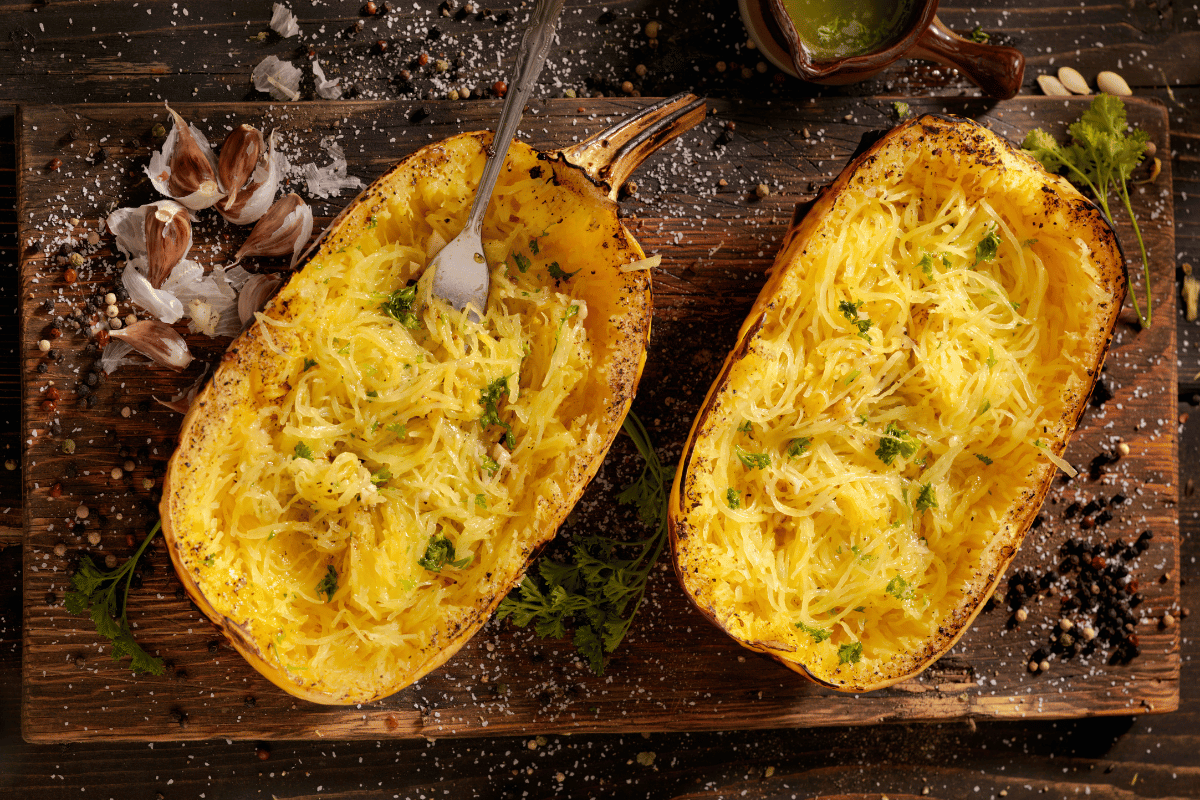
In the culinary world, few ingredients offer the healthy versatility and satisfying texture of spaghetti squash. This remarkable winter vegetable, when cooked just right, transforms into delicate, noodle-like strands that make for an incredible low-carb alternative to traditional pasta. But its utility extends far beyond just a pasta swap; it’s a canvas for countless culinary creations, from hearty sides to the base of vibrant main dishes. If you’ve ever wondered how to unlock its full potential, mastering a simple baked spaghetti squash recipe is your golden ticket.
Far from being just a diet-friendly fad, spaghetti squash boasts a mild flavor and a pleasant, gentle crunch that pairs beautifully with a vast array of seasonings and sauces. It’s budget-friendly, easy to prepare, and incredibly nutritious. Yet, despite its many attributes, it often goes underutilized, perhaps because many home cooks aren't sure how to prepare it to perfection. Forget soggy, bland results; we’re here to guide you through the absolute best way to cook spaghetti squash in the oven, ensuring fluffy, tender strands every time.
Why Roasting is the Absolute Best Way to Cook Spaghetti Squash
While various methods exist for cooking spaghetti squash – from microwaving to boiling – none come close to the superior results achieved through roasting. This isn't just a matter of preference; there are fundamental culinary reasons why the oven reigns supreme, delivering a quality that makes all the difference in your dish. If you're looking to elevate your spaghetti squash game, understanding why roasting works best is key. For a deeper dive into methods, check out Beyond the Microwave: The Best Way to Roast Spaghetti Squash.
- Unmatched Flavor Development: Roasting caramelizes the natural sugars within the squash, creating a slightly sweet, nutty flavor profile that simply isn't present with other methods. This subtle sweetness adds depth and complexity, making the squash inherently tastier even with minimal seasoning.
- Perfect Texture – Fluffy, Never Soggy: This is perhaps the biggest differentiator. Roasting allows excess moisture to evaporate, preventing the dreaded water-logged "noodles" that can plague microwave or boiled squash. Instead, you get tender, distinct strands that hold their shape and have a satisfying bite, making them ideal for mimicking pasta.
- Simplicity and Ease: Despite yielding superior results, oven-roasting spaghetti squash is remarkably fuss-free. There's no need for peeling the tough outer skin, and the basic preparation requires little more than olive oil, salt, and pepper. It’s a largely hands-off process once it’s in the oven, freeing you up to prepare other components of your meal.
- Enhanced Versatility: The well-defined, fluffy texture achieved through roasting makes the squash far more versatile. It can stand up to robust sauces, hold its own in salads, or act as a sturdy base for stews and curries without disintegrating.
Once you experience the difference that roasting makes, you'll understand why it's heralded as the absolute best way to prepare this incredible vegetable. It transforms something mild into something truly magnificent.
Your Essential Guide to Preparing Simple Baked Spaghetti Squash
Creating delicious oven-baked spaghetti squash starts with proper preparation. Don't be intimidated by its tough exterior; with a few simple tricks, you'll be slicing and seasoning like a pro. This guide focuses on getting you to perfect, fluffy spaghetti squash noodles with minimal fuss.
Step 1: Preparing and Safely Cutting Your Squash
Cutting a whole spaghetti squash can feel daunting due to its hard rind. Here’s how to do it safely and effectively:
- Pre-soften (Optional but Recommended): For easier cutting, poke the squash several times with a fork. Microwave it for 3 to 4 minutes. Crucially, do not exceed 5 minutes, as pressure can build up and cause it to pop! This brief softening makes a significant difference in how easily your knife glides through.
- Create a Stable Base: Place the squash horizontally on a sturdy cutting board. Carefully slice off both the stem and the base ends, creating two flat surfaces. This stability is key for safety.
- Slice Vertically: Stand the squash upright on one of its newly flattened ends. Using a large, sharp chef's knife, carefully slice the squash in half from top to bottom. Take your time and use a rocking motion if needed. Don't worry if your halves aren't perfectly even; it won't affect the cooking.
- Scoop Out Seeds: With a sturdy spoon (an ice cream scoop works great), remove the seeds and any stringy pulp from both halves, just like you would with a pumpkin. Discard them.
Step 2: Seasoning for Optimal Flavor and Texture
Less is often more when it comes to seasoning spaghetti squash. You want to enhance its natural flavor without overwhelming it or drawing out too much moisture.
- Lightly Oil: Drizzle about 1 tablespoon of olive oil evenly over the cut surfaces of each squash half. Use your hands or a pastry brush to rub the oil all over the exposed flesh, ensuring good coverage. The oil helps with browning and prevents sticking.
- Season Simply: Sprinkle a pinch of salt and freshly ground black pepper over the oiled surfaces. Be mindful not to overdo the salt, as too much can draw out excessive moisture, leading to a less desirable texture. Similarly, excess olive oil can make the squash strands soggy.
- Optional Flavor Boosts: For added depth, consider a sprinkle of garlic powder, onion powder, or a dash of your favorite herb blend (like Italian seasoning or dried thyme) at this stage.
Step 3: Roasting Your Spaghetti Squash to Perfection
Now comes the magic! Roasting transforms the squash into those coveted noodle-like strands.
- Preheat Oven: Preheat your oven to 400°F (200°C).
- Arrange on Baking Sheet: Place the seasoned squash halves cut-side down on a baking sheet. Using parchment paper or a silicone mat is highly recommended for easy cleanup.
- Bake Until Tender: Roasting times vary depending on the size of your squash. A 1.5 to 2-pound spaghetti squash typically bakes for 35-50 minutes. The squash is done when the flesh is tender enough to be easily pierced with a fork. You should also see some browning on the cut edges. For detailed guidance on getting the perfect texture, explore Mastering Baked Spaghetti Squash: Get Fluffy, Never Soggy Noodles.
- Cool Slightly: Once baked, remove the squash from the oven and let it cool on the baking sheet for 5-10 minutes. This makes it easier to handle and allows the strands to firm up slightly.
- Scrape into Strands: Using a fork, gently scrape the cooked flesh from the shell, working from the outside in. The squash will naturally separate into beautiful, spaghetti-like strands.
Beyond the Pasta Bowl: Unlocking Spaghetti Squash's Versatility
While its reputation as a pasta understudy is well-deserved, the mild flavor and pleasing texture of a simple baked spaghetti squash make it an incredibly versatile ingredient that can shine in countless dishes. Don't limit yourself to just red sauce!
As a Wholesome Side Dish
Once baked and scraped, spaghetti squash is fantastic on its own or with minimal additions. For a complete side dish, elevate it with:
- Herby Breadcrumbs and Parmesan: Toss the warm squash strands with a pat of butter, then sprinkle with toasted herby breadcrumbs and grated Parmesan cheese for a delightful crunch and savory finish.
- Melted Mozzarella: Add small chunks of mozzarella cheese to the warm squash strands right after scraping them. The cheese will melt into delicious, gooey pools, creating a decadent yet healthy side.
- Roasted Vegetables: Combine your spaghetti squash with other roasted vegetables like bell peppers, zucchini, or cherry tomatoes for a vibrant and nutrient-packed medley.
- Garlic and Herbs: A simple sauté with garlic, olive oil, and fresh herbs like parsley or chives can transform it into an elegant accompaniment to any protein.
A Creative Base for Hearty Meals
Think beyond just a swap; spaghetti squash can be the foundation for entirely new culinary adventures:
- Stir-Fries and Bowls: Use the strands as a low-carb base for stir-fries, grain bowls, or even a healthier take on fried rice. Its mild flavor won't compete with bold Asian-inspired sauces.
- Stews and Curries: The gentle crunch and ability to absorb flavors make it an excellent base for hearty stews, chili, or vibrant curries. Instead of rice or potatoes, serve your favorite stew over a bed of spaghetti squash.
- Spaghetti Squash Boats: After baking, you can fill the squash halves directly. Combine the scraped strands with lean ground meat, marinara sauce, cheese, or a vegetable medley, and bake again until bubbly.
- Salad Component: Cooled spaghetti squash strands can add interesting texture and body to green salads or serve as the main component of a cold squash salad with vinaigrette.
- Breakfast Hash or Frittata: Incorporate leftover spaghetti squash into a morning hash with eggs and potatoes, or fold it into a frittata for a nutritious start to your day.
Its natural mildness means it's also a fantastic ingredient for dishes aimed at picky eaters, especially kids, as it readily takes on the flavors of whatever it's cooked with.
Expert Tips for Perfect Spaghetti Squash Every Time
Achieving consistently delicious spaghetti squash is easier than you think with these practical tips:
- Don't Rush the Cooling: Allowing the squash to cool for a few minutes after baking helps the strands firm up and makes them easier to scrape, preventing them from becoming mushy.
- Adjust Baking Time for Size: Smaller squashes (1-1.5 lbs) will cook faster, while larger ones (2.5+ lbs) will need more time. Always rely on the fork-tender test rather than just the clock.
- Roast Cut-Side Down: This method creates a steamy environment between the squash and the baking sheet, helping to cook the flesh evenly while allowing the edges to slightly caramelize.
- Season Thoughtfully: Remember the delicate balance of oil and salt. Too much of either can impact the final texture. A light hand is best for a simple baked spaghetti squash.
- Leftover Storage: Cooked spaghetti squash strands store beautifully! Keep them in an airtight container in the refrigerator for up to 4 days. For longer storage, freeze the strands in a freezer-safe bag or container for up to 6 months. Thaw overnight in the fridge and reheat gently in the oven or microwave, seasoning as desired.
- Reheating: To reheat, spread the strands on a baking sheet and warm in a 350°F (175°C) oven until heated through, or microwave in short bursts, stirring frequently.
Conclusion
Embracing simple baked spaghetti squash in your kitchen opens up a world of healthy, delicious, and versatile possibilities. It's an excellent choice for those seeking low-carb alternatives, a fantastic way to boost your vegetable intake, and a flavorful canvas for countless dishes. By following the roasting method and our practical tips, you'll consistently achieve those coveted fluffy, tender strands that are never soggy. So go ahead, grab a spaghetti squash, and discover why this unassuming vegetable deserves a starring role in your culinary repertoire – whether it's replacing pasta or standing tall as a magnificent side dish.
